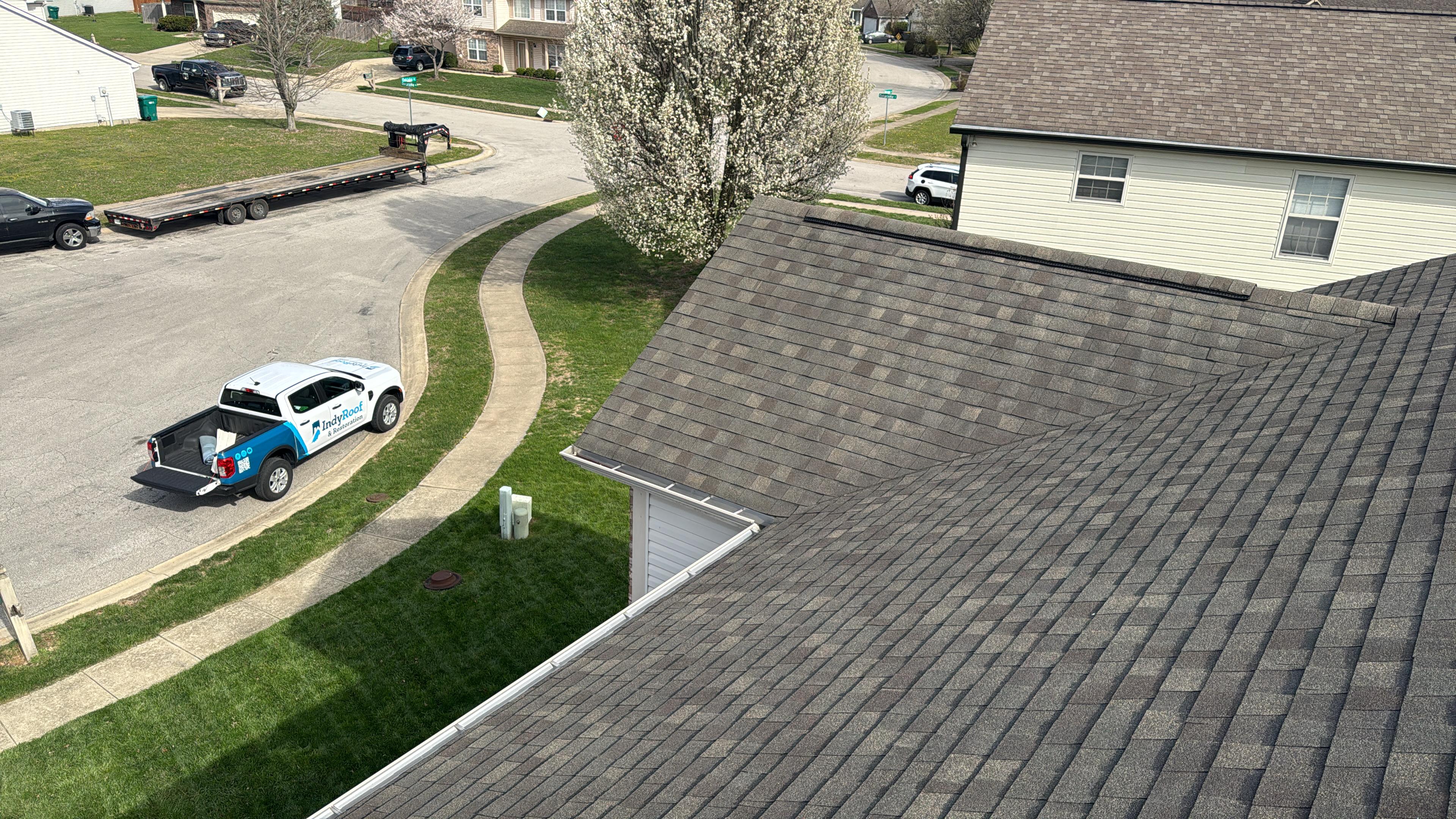
A Complete Guide to Class 4 Impact-Resistant Shingles
Class 4 impact resistant shingles are the top tier for impact resistance, and understanding them helps a Whiteland homeowner decide whether they fit. This guide covers what class 4 means, the UL 2218 standard and test, how the shingles are made, what impact resistance does and does not mean, the benefits, the cost and insurance angle, drawbacks, and who they suit. The recurring theme is that class 4 shingles offer better resistance to impact such as hail, which is most valuable in hail prone areas, where reduced damage risk and potential insurance savings can justify the premium. Because cost depends on the specific product and your roof, a measured estimate is the only way to know your real number.
UL 2218 Classes at a Glance
The table below summarizes the UL 2218 impact resistance classes. Treat it as a quick reference for understanding the rating, since the classes indicate increasing impact resistance, with class 4 the highest. The recurring theme is that the rating reflects performance in a standardized steel ball test, with class 4 representing the strongest resistance to impact under the standard.
| UL 2218 Class | Meaning |
|---|---|
| Class 1 | Lowest rated impact resistance |
| Class 2 | Moderate impact resistance |
| Class 3 | Higher impact resistance |
| Class 4 | Highest; largest test ball, around 2 inches |
| Pass criterion | No cracking or rupture on the back |
What Class 4 Is
Class 4 is the highest impact resistance rating a shingle can earn under UL 2218, the standard test for impact resistance. The scale runs from class 1 to class 4, with class 4 the most resistant. For a Whiteland homeowner, a class 4 label means the shingle has passed the most demanding level of the impact test, indicating strong resistance to impact damage such as cracking from hail. Understanding what class 4 is helps you interpret the label accurately: a standardized, meaningful rating rather than a marketing term. When a shingle is described as class 4, it has achieved the top tier under UL 2218, which is the basis for its reputation as a more impact resistant option. This standardized rating lets you compare shingles on impact resistance, with class 4 being the highest level available, making it the benchmark for impact resistant roofing in hail prone areas.
The UL 2218 Standard and Test
UL 2218 is the industry standard test for rating impact resistance, providing a consistent way to measure and compare how well shingles withstand impact. The test drops steel balls of increasing size onto the shingle from a set height, with the four classes corresponding to increasing ball sizes and class 4, the highest, using the largest ball, around two inches in diameter. To earn a class, the shingle must show no cracking or rupture on its back after the impact. For a Whiteland homeowner, this means a class 4 rating reflects withstanding the most demanding impact in the test. Understanding the standard and test helps you trust the rating as a legitimate, physical measure rather than a marketing claim. Because it is standardized, the class 4 rating is comparable across products and brands and recognized in the roofing and insurance industries, which is what gives the rating its meaning and value.
The Benefits
The benefits of class 4 impact resistant shingles center on reduced impact damage and potential insurance savings. The improved impact resistance can reduce the likelihood and severity of hail damage, meaning fewer or less severe repairs and claims over time in hail prone areas. Many insurers also offer premium discounts for class 4 shingles, recognizing the reduced risk, though this varies by insurer and location. For a Whiteland homeowner, these benefits, less impact damage and a possible insurance discount, are the core reasons to consider class 4 shingles. The reinforced construction may also support general durability. Understanding the benefits helps you weigh whether they justify the higher cost. For a home in a hail prone area, the combination of reduced damage risk and potential insurance savings can make class 4 shingles worthwhile, with the value depending on your specific hail risk and whether an insurance discount is available, which together determine the practical benefit for your situation.
What Impact Resistance Means
Setting realistic expectations is important. A class 4 rating means the shingle is more resistant to impact damage, such as cracking from hail, than standard or lower rated shingles, reducing the risk and severity. It does not mean the shingle is impervious; severe enough hail can still cause damage, and the rating addresses impact resistance specifically, not every form of wear. For a Whiteland homeowner, this realistic understanding helps set expectations: class 4 shingles offer better impact protection, not a guarantee against all damage. Understanding what impact resistance means helps you weigh the benefit accurately. Class 4 shingles meaningfully improve a roof's ability to withstand impacts, which is valuable in hail prone areas, but they are a risk reduction measure. Treating them as a guarantee would set unrealistic expectations, so understanding their actual benefit, reduced impact damage rather than total immunity, is important when considering them and weighing their value.
How They Are Made
Class 4 impact resistant shingles typically achieve their resistance through reinforced construction. Many use polymer modified or rubberized asphalt, often SBS-modified, which makes the shingle more flexible and better able to absorb impact without cracking. Some incorporate a reinforcing mesh, fabric, or backing layer for added strength. For a Whiteland homeowner, the practical point is that these shingles are built with materials and construction designed to resist impact, differing from standard asphalt shingles. The specific construction varies by product. Understanding how they are made helps you see the basis for their impact resistance: it comes from the reinforced, more flexible materials, not just the label. This enhanced construction allows class 4 shingles to absorb impacts that might crack a standard shingle, which is the physical reason behind their higher rating, with the flexibility from modified asphalt being a key part of how they resist cracking on impact and earn the class 4 designation.
Cost and Insurance
Cost and insurance are closely linked in the value of class 4 shingles. They typically cost more than standard shingles, with the exact cost depending on the specific product and your roof, so a measured estimate is the only way to know your real number. On the insurance side, many insurers offer premium discounts for class 4 roofs, which can help offset the higher upfront cost over time, though availability and amount vary by insurer and location. For a Whiteland homeowner, weighing the premium against the potential insurance savings, and the reduced damage risk, is the way to assess the value. Understanding cost and insurance together helps you judge whether class 4 shingles make financial sense. The higher cost is more justifiable when an insurance discount is available and hail risk is real, so checking your insurer's policy and getting an accurate estimate lets you weigh the full financial picture for your situation.
The Installer's Role and Summary
As with any shingle, installation quality is critical to how class 4 shingles perform, so getting them installed by a reputable roofer matters, since proper installation ensures they perform as intended, keeps the warranty valid, and avoids compromising the impact resistance. In summary, class 4 impact resistant shingles are the highly rated impact resistant option under UL 2218, built with reinforced construction to better withstand impacts like hail, reducing impact damage risk and possibly qualifying for insurance discounts, at a higher cost than standard shingles, making them most worthwhile in hail prone areas. For a Whiteland homeowner, weighing your hail risk, the cost, and any insurance discount, with a professional assessment and quality installation, is the way to decide. Whiteland Roofing installs quality roofs for Whiteland homeowners, including impact resistant options. Call (765) 978-3528 to discuss whether class 4 shingles fit your home and get an accurate estimate.
Drawbacks and Who They Suit
Class 4 shingles have drawbacks and a clear ideal audience. The drawbacks are the higher cost, the fact that they are not a guarantee against all damage, and the dependence of their value on local hail risk and insurance availability. They suit homeowners in hail prone areas, where the reduced damage risk and potential insurance savings offer real value, and those wanting added durability against impact. For a Whiteland homeowner, if your area sees hail, class 4 shingles are worth considering, while in low risk areas standard shingles may suffice. Understanding the drawbacks and ideal audience helps you decide whether they fit your situation. Class 4 shingles are not universally necessary; their value is greatest in hail prone areas with available insurance discounts. Weighing the higher cost and realistic benefit against your specific risk ensures you choose them where they make sense rather than assuming they suit every home.